October 21, 2026
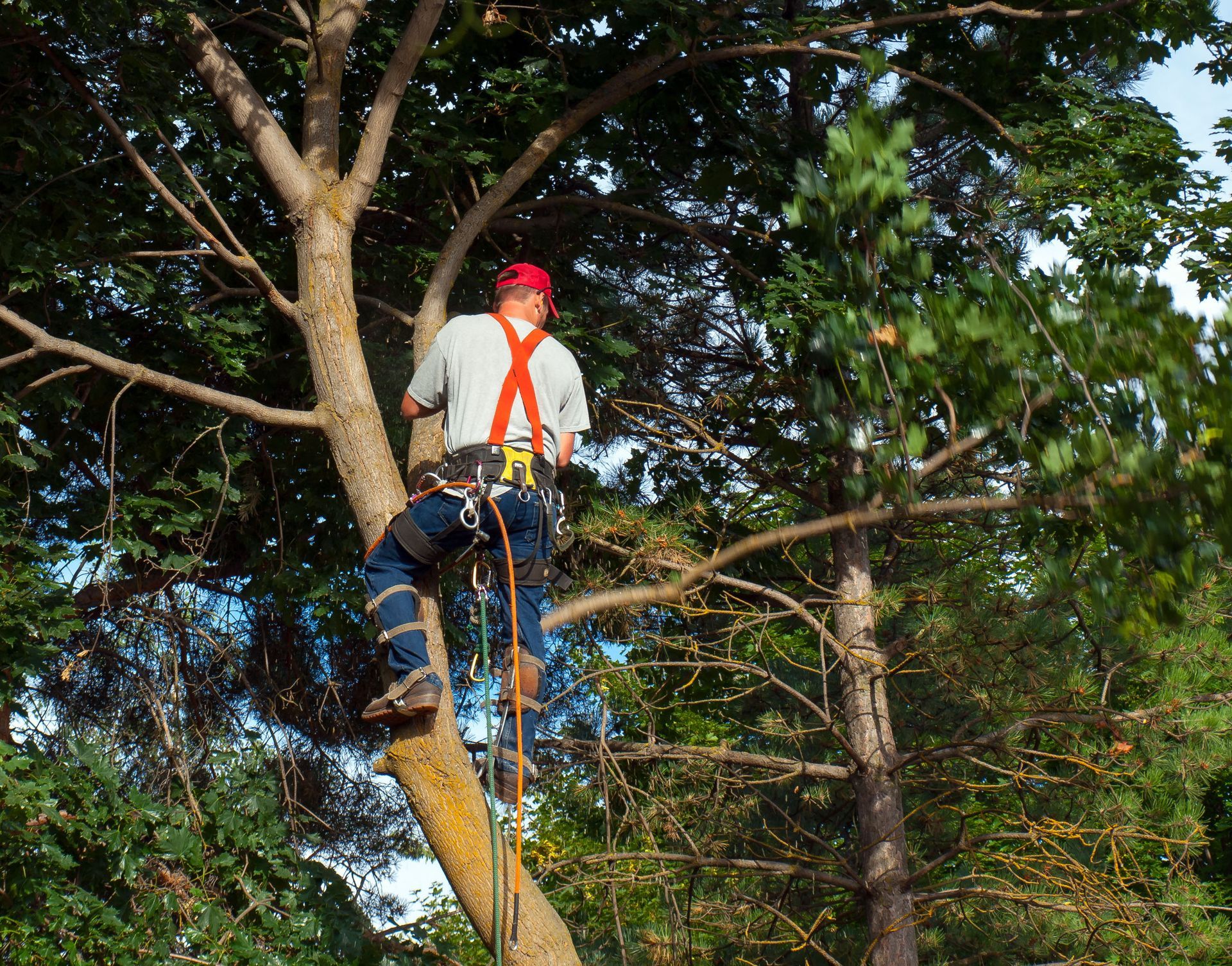
Trees are an important part of a property's landscape, providing shade, visual appeal, and environmental benefits. However, maintaining healthy trees requires more than occasional watering and general landscape maintenance. As trees grow, their branches can become overcrowded, damaged, or structurally unstable, creating potential hazards for nearby buildings, vehicles, and pedestrians. Recognizing when professional trimming is necessary can help property owners maintain healthier trees and reduce preventable risks.
Regular maintenance plays an essential role in preserving tree health and supporting balanced growth. According to LawnStarter, mature trees generally benefit from trimming every 3 to 5 years, while younger trees typically require attention every 2 to 3 years. However, trimming frequency can vary depending on the species, location, growth patterns, and environmental conditions. Professional tree services can help property owners evaluate these factors and determine when maintenance is appropriate.
Branches That Extend Too Close to Buildings
Branches growing near rooftops, windows, gutters, and exterior walls can create maintenance concerns for residential and commercial properties. As trees mature, their limbs naturally expand outward, sometimes extending beyond their original planting area. Without appropriate trimming, branches may eventually come into contact with surrounding structures.
Overhanging limbs can scrape roofing materials during windy conditions, potentially contributing to surface damage. Branches positioned above gutters may also deposit leaves, twigs, and other debris that interfere with proper drainage. Additionally, dense growth near windows can restrict natural light and limit visibility.
Professional tree services can assess the distance between trees and nearby structures to identify branches requiring attention. Trimming may help create appropriate clearance while maintaining the tree's natural appearance and structural integrity.
Limbs That Show Signs of Damage or Decay
Broken, cracked, or deteriorating branches are common indicators that a tree requires professional attention. These conditions may develop following severe weather, insect activity, disease, or natural aging. Although some damaged limbs remain attached for extended periods, their structural integrity may be compromised.
Visible cracks, peeling bark, unusual discoloration, and hollow areas can indicate deterioration. Dead branches may also appear brittle or lack the foliage typically present during the growing season. When these limbs become weakened, they may fall unexpectedly, creating potential hazards for people and property.
Professional tree services can help identify damaged branches and determine whether selective trimming is appropriate. Removing compromised growth may reduce the likelihood of falling limbs and allow the tree to direct resources toward healthier areas.
Canopies That Become Excessively Dense or Overgrown
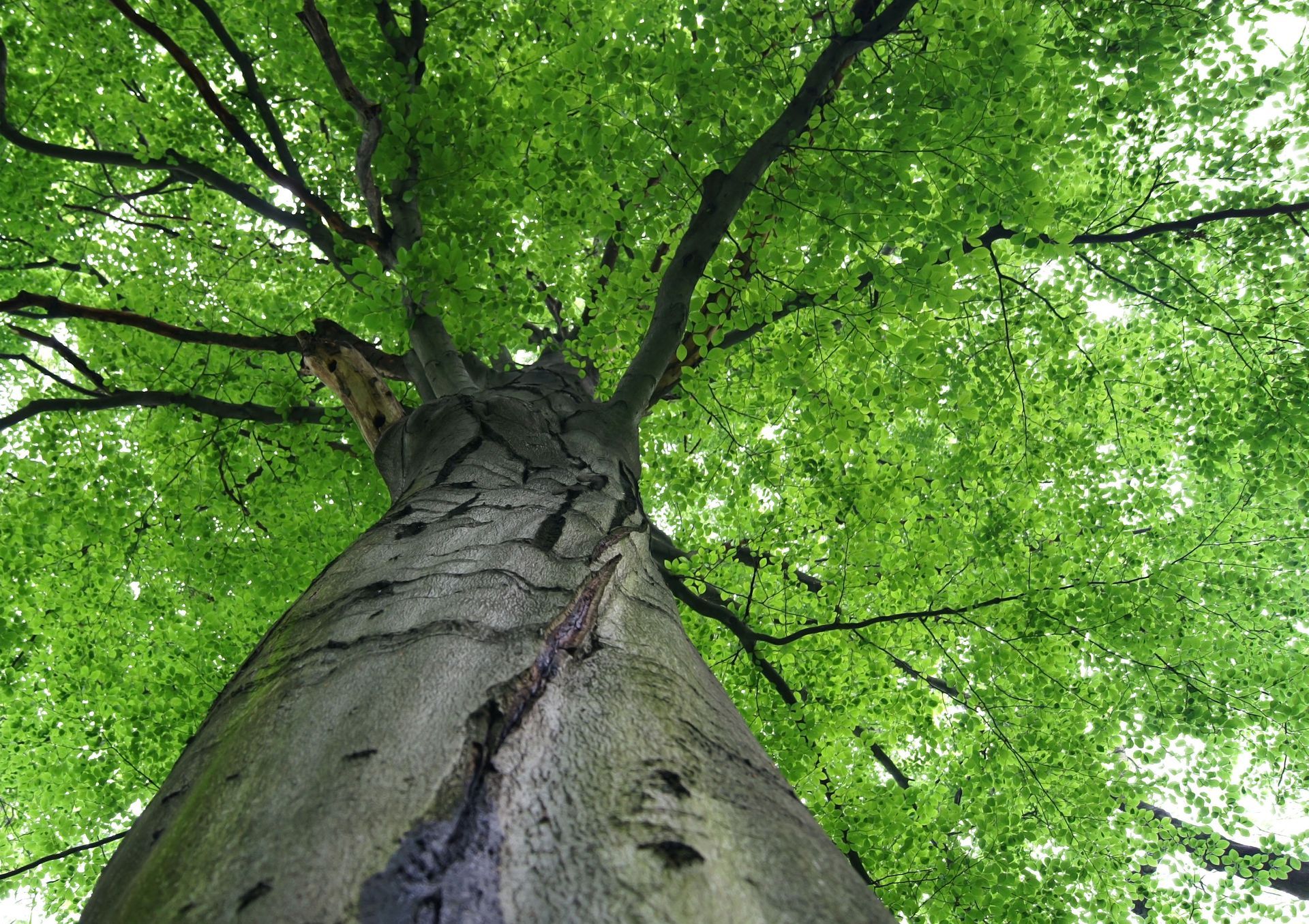
A dense tree canopy can create an attractive shaded environment, but excessive growth may interfere with the tree's overall condition. When branches overlap or compete for space, sunlight and air circulation within the canopy may become restricted.
Overcrowded growth can also increase friction between neighboring branches. As limbs rub together during windy conditions, the resulting damage may create openings in the bark that leave affected areas more vulnerable to certain pests and diseases.
Professional tree services can evaluate canopy density and determine whether selective pruning would improve branch spacing and structural balance. Proper trimming focuses on managing growth without unnecessarily removing healthy foliage or disrupting the tree's natural form.
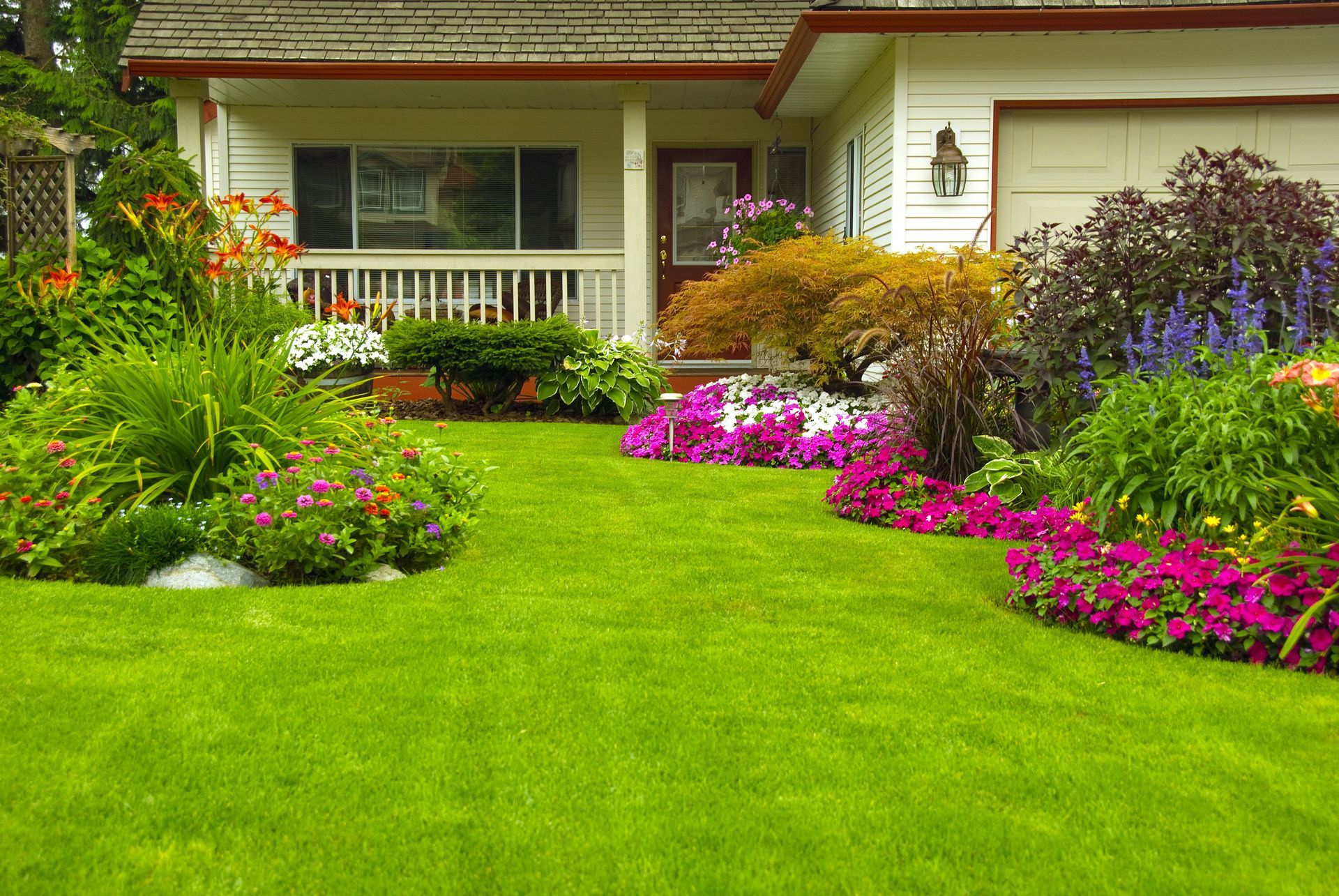
Canopy management can also influence surrounding landscaping. Trees with particularly dense crowns may limit sunlight reaching grass, shrubs, and other plants beneath them. While trimming cannot eliminate every shade-related concern, an appropriate maintenance approach can help balance the needs of the tree with the conditions of the surrounding landscape.
Growth That Appears Uneven or Structurally Unbalanced
Trees naturally develop different shapes depending on their species, growing environment, and exposure to sunlight. However, noticeable changes in branch distribution or unusually heavy growth concentrated in a particular area may indicate the need for professional evaluation.
An unbalanced canopy can place uneven mechanical stress on the trunk and supporting branches. This concern may become more significant when large limbs extend outward from weak attachment points or when previous damage has altered the tree's structure.
Professional tree services can examine branch arrangements and identify areas where selective trimming may help manage uneven growth. Their assessment may also reveal structural defects that require monitoring or specialized care.
It is important to recognize that an asymmetrical appearance does not automatically mean a tree is unhealthy or dangerous. Some species naturally develop irregular crowns, particularly when growing near buildings or competing vegetation. Professional evaluation helps distinguish normal growth characteristics from structural concerns that could affect long-term stability.
Foliage That Shows Unusual Changes in Appearance
Healthy foliage generally reflects the natural characteristics of a tree's species and seasonal growth cycle. When leaves begin changing color unexpectedly, developing unusual spots, or falling outside their typical seasonal pattern, underlying health concerns may be present.
Environmental stress, inadequate soil conditions, pests, and diseases can all contribute to changes in foliage. Certain problems may affect isolated branches, while others can influence larger portions of the canopy.
Professional tree services can assess visible symptoms and determine whether pruning should be part of the recommended maintenance approach. Removing affected branches may be appropriate in certain circumstances, particularly when disease or localized damage is involved.
However, trimming is not a universal solution for declining foliage. Some conditions require adjustments to watering practices, soil management, or other aspects of tree care. An accurate assessment is essential because unnecessary pruning can place additional stress on an already weakened tree.
Changes in foliage should therefore be considered alongside other indicators, including branch condition, overall growth patterns, and environmental factors.
Trees That Interfere With Surrounding Landscape Features
As trees expand, their branches may begin interfering with walkways, driveways, outdoor seating areas, fences, and neighboring vegetation. These changes can affect how comfortably and safely outdoor spaces are used.
Low-hanging branches may obstruct pedestrian movement or reduce visibility near entrances and driveways. Overgrown limbs can also crowd nearby shrubs, restrict access to landscape features, or interfere with routine property maintenance.
Professional tree services can evaluate these conditions and recommend trimming that improves accessibility while preserving healthy growth. Appropriate clearance depends on the tree's location, structure, and surrounding environment.
Routine maintenance is especially relevant in landscapes where trees share limited space with buildings, pathways, and ornamental plantings. Rather than allowing excessive growth to create recurring obstacles, property owners can use professional assessments to maintain a practical balance between mature trees and surrounding features.
Thoughtful trimming can support both landscape functionality and the preservation of established vegetation.
Branches That Develop Weak or Unusual Attachments
The way branches connect to a tree's trunk can influence their long-term stability. Certain structural arrangements, including tightly joined stems or narrow branch attachment angles, may create weak points that require professional assessment.
These conditions are not always obvious from the ground. A tree may appear healthy overall while containing branch unions that are more susceptible to separation under mechanical stress.
Professional tree services can identify potentially problematic branch attachments and determine whether corrective pruning is appropriate. Early evaluation can be particularly beneficial for developing trees because structural concerns may become more difficult to address as branches increase in size.
Mature trees with substantial structural weaknesses may require specialized recommendations beyond conventional trimming. Professional assessment helps ensure that maintenance decisions reflect the tree's condition rather than relying solely on its appearance.
Maintaining Healthy Trees Through Professional Evaluation
Recognizing the signs that trees need trimming is an important part of responsible landscape maintenance. Overhanging branches, damaged limbs, dense canopies, uneven growth, unusual foliage, obstructed outdoor spaces, and weak branch attachments can all indicate that professional attention may be necessary.
However, appropriate trimming depends on several factors, including tree species, seasonal conditions, structural characteristics, and overall health. Excessive or improperly timed pruning can negatively affect tree development, making professional evaluation valuable.
A proactive maintenance approach allows property owners to identify potential concerns while preserving the environmental and aesthetic contributions of established trees. Regular observation, combined with knowledgeable assessment, can support healthier growth and help reduce avoidable landscape hazards.
At Serenity Farm Landscaping, we understand the importance of maintaining trees as part of a healthy, functional landscape. Our team can help evaluate tree maintenance needs and identify appropriate trimming considerations based on the condition of your property.
Contact us to discuss your landscape concerns and learn how we can assist with maintaining the health, appearance, and functionality of your trees.